
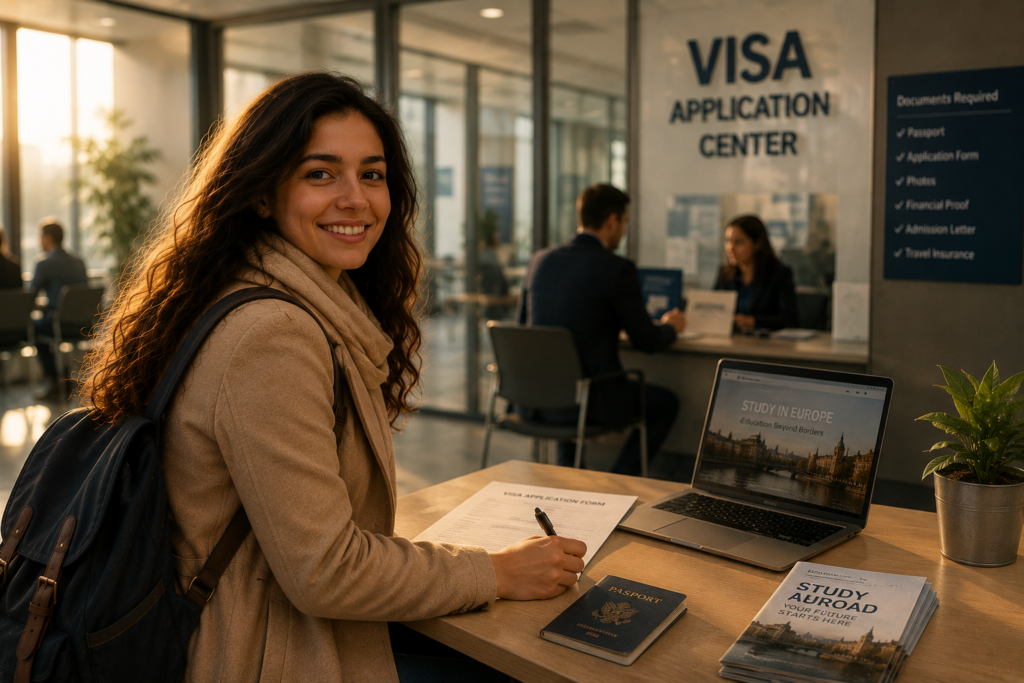
For many international students, the visa interview is one of the most stressful parts of the study abroad journey. Even after receiving a university acceptance letter and preparing financial documents, students often worry about the interview process and the questions they may face at the embassy.
The good news is that visa interviews are usually straightforward when students are well-prepared, confident, and honest. Visa officers mainly want to confirm that you are a genuine student who plans to study abroad and return after completing your education according to visa regulations.
In this guide, we will cover common student visa interview questions, important preparation tips, and mistakes students should avoid during the interview process.
Why Is the Visa Interview Important?
The visa interview helps immigration officers verify:
- Your study plans
- Financial ability
- Academic background
- English communication skills
- Genuine intention to study abroad
Your answers should always be clear, confident, and consistent with your application documents.
Before Your Visa Interview
Preparation is extremely important. Students should organise all required documents and review their university application details carefully before attending the interview.
Important Documents to Bring
Depending on the country, students may need:
- Passport
- University acceptance letter
- CAS letter (for the UK)
- I-20 form (for the USA)
- Visa application form
- Bank statement
- Scholarship documents
- Academic certificates
- English language certificate (IELTS or TOEFL)
- Accommodation details
- Passport photos
Always keep your documents organised in a professional folder.
Common Student Visa Interview Questions
1. Why Did You Choose This Country?
Visa officers want to understand your motivation for studying in that country.
Example Answer:
“I chose the UK because of its strong academic reputation, internationally recognised universities, and shorter degree duration compared to many countries.”
Students should mention:
- Education quality
- Career opportunities
- University reputation
- Program advantages
2. Why Did You Choose This University?
The officer wants to know if you researched the university properly.
Example Answer:
“I chose this university because of its strong business program, experienced faculty members, and excellent graduate employment opportunities.”
Mention:
- University ranking
- Course structure
- Internship opportunities
- Research facilities
3. Why Did You Choose This Course?
Students should clearly explain how the course connects to their future career goals.
Example Answer:
“I chose Computer Science because I want to build a career in software development and gain international experience in the technology industry.”
4. Who Will Sponsor Your Studies?
Financial questions are extremely important during visa interviews.
Students should explain:
- Who is paying for tuition and living expenses
- Source of funds
- Family income
- Scholarships if applicable
Example Answer:
“My father will sponsor my studies using his savings and monthly income. We have already prepared the required bank statements and financial documents.”
5. What Does Your Sponsor Do?
Visa officers may ask detailed questions about your sponsor’s financial situation.
Students should know:
- Job title
- Company name
- Monthly income
- Business details if self-employed
6. What Are Your Future Plans?
Students should show genuine academic and career goals.
Example Answer:
“After completing my degree, I plan to gain professional experience in my field and continue building my career using the international education and skills I gained.”
7. Do You Have Relatives Abroad?
Students should answer honestly. Hiding information can negatively affect the application.
Tips to Succeed in Your Visa Interview
Be Honest
Never provide false information or fake documents. Visa officers are trained to detect inconsistencies.
Stay Calm and Confident
Many students become nervous during interviews. Speak slowly, maintain eye contact, and answer confidently.
Practice Your Answers
Students should rehearse common questions before the interview.
Practice helps improve:
- Confidence
- English communication
- Answer clarity
Dress Professionally
First impressions matter. Students should wear clean and professional clothing suitable for a formal interview.
Keep Answers Clear and Short
Avoid giving overly long or complicated answers. Be direct and focused.
Common Mistakes Students Should Avoid
Memorising Answers Like a Script
Visa officers prefer natural conversation, not robotic answers.
Providing Inconsistent Information
Your interview answers must match your application documents.
Showing Weak Knowledge About Your Course
Students should know:
- Program details
- University location
- Course duration
- Tuition fees
Arriving Late
Always arrive early to avoid unnecessary stress.
Bank Statement & Financial Questions
Financial proof is one of the most important parts of student visa applications.
Visa officers may ask:
- How much money is available?
- How will you pay tuition fees?
- Who deposited the money?
- How long has the money been in the account?
Students should ensure:
- Bank statements are genuine and recent
- Funds meet visa requirements
- Financial documents are clear and complete
For some countries like the UK, Germany, or Canada, students may need to show a specific minimum amount for living expenses in addition to tuition fees.
English Language Confidence
Even if the visa interview is short, students should demonstrate basic English communication ability.
You do not need perfect English, but you should:
- Understand questions clearly
- Respond confidently
- Avoid excessive hesitation
Final Thoughts
Student visa interviews can feel stressful, but proper preparation makes the process much easier. Visa officers mainly want to confirm that students are serious about their education and financially prepared for studying abroad.
By organising your documents, practising common questions, and staying calm during the interview, you can significantly improve your chances of visa approval.
Remember that confidence, honesty, and preparation are the keys to a successful student visa interview.